
The Nature of Casino Addiction
Casino addiction, often referred to as gambling disorder, is a complex psychological condition characterized by compulsive gambling behavior. Individuals suffering from this addiction frequently experience a loss of control over their gambling activities, leading to detrimental effects on their personal, social, and professional lives. Many find themselves drawn to immersive experiences such as online casinos, where the thrill of winning and the expectation of future wins create a powerful psychological cycle that can be incredibly hard to break.
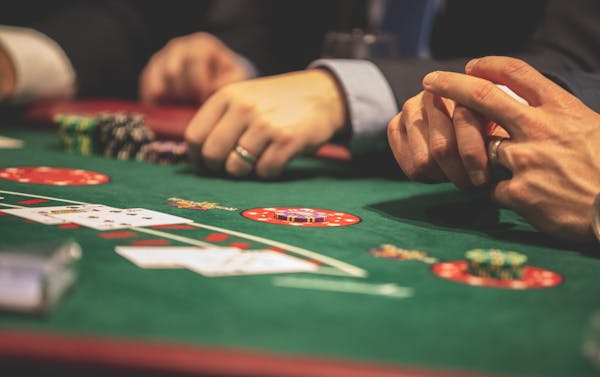
This addiction typically stems from a combination of genetic, environmental, and emotional factors. People may be predisposed to addiction due to their family history or personal temperament. Additionally, circumstances such as financial stress, loneliness, or depression can drive individuals toward gambling as a form of escapism, further entrenching their addictive behaviors.
<h3 Psychological Triggers of Gambling Behavior
The psychology behind casino addiction involves various mental and emotional triggers that compel individuals to gamble. High levels of excitement and arousal generated during gambling can activate the brain’s reward system, releasing dopamine, a neurotransmitter associated with pleasure and satisfaction. This chemical response reinforces the gambling behavior, encouraging individuals to seek out the experience repeatedly.
Moreover, cognitive distortions, such as the illusion of control and gambler’s fallacy, play a significant role. Many gamblers believe they can influence the outcome of their bets or that past losses will be followed by wins, which can lead to continued gambling despite negative consequences. Understanding these psychological mechanisms is crucial for both gamblers and their families as they navigate the road to recovery.
Signs and Symptoms of Casino Addiction
Identifying casino addiction involves recognizing specific signs and symptoms. Individuals may show an increasing preoccupation with gambling, often spending excessive amounts of time at casinos or playing online games. Financial issues can also manifest, as they may borrow money to gamble or continue gambling despite evident losses.
Emotional symptoms such as anxiety, irritability, and depression can also arise, particularly when the individual attempts to cut back or quit gambling. Relationships may suffer due to deceit and secrecy surrounding gambling habits, further isolating the individual. Awareness of these signs can lead to earlier intervention and support, enhancing recovery prospects.
Recovery Strategies for Overcoming Casino Addiction
Recovering from casino addiction often requires a multifaceted approach that addresses both the psychological and behavioral components of the disorder. Cognitive-behavioral therapy (CBT) is a widely recognized treatment method that helps individuals identify and alter negative thought patterns associated with gambling. It encourages healthier coping mechanisms and develops strategies to deal with triggers effectively.
Support groups such as Gamblers Anonymous offer a platform for sharing experiences and fostering a sense of community among those affected by gambling addiction. Peer support can be instrumental in the recovery process, providing encouragement and accountability. In some cases, medication may also be prescribed to help manage underlying conditions such as depression or anxiety that often accompany gambling addiction.

Resources for Further Support and Information
Various resources are available for individuals seeking help with casino addiction. Professional counseling services, hotlines, and support groups can provide the guidance and support needed for recovery. Many organizations also offer educational materials that inform individuals about gambling addiction and its psychological impacts.
Additionally, websites dedicated to mental health and addiction recovery provide valuable insights and tools for individuals and their families to understand the complexities of gambling addiction. Engaging with these resources can serve as an essential step toward reclaiming control over one’s life and making informed decisions about gambling behaviors.